4 Best Platforms to Manage Online Courses [Video Review]
What are the best platforms for managing your online courses? In this review, 4 industry-leading platforms are compared. Get an overview to make your own decision.
Guide
If you want to create and sell online courses, the platform you host them on matters more than most people think. Here is everything I have learned about choosing one, selling on it and making a living from teaching online.
12 articles and 2 courses in the archive · by Rued Riis
A course business comes down to three things: great content, a platform you can trust, and marketing. This page collects what I have written and filmed on all three. If you are still comparing online course platforms, start with my video review of Kajabi, Podia, Teachable and Thinkific. I ran my own courses and website on Kajabi, and the Kajabi review explains why, including where it falls short.
Bigger is not always better. Early on, a simpler setup can keep the tech from dragging you down, which is the point of my post on course platform alternatives like Gumroad, Skool and Pensight. I have also reviewed LearnWorlds, a feature-rich platform that needs a firm hand on the wheel, and Esmerise, a simpler but complete option.
Once you have a platform, the work is selling. I break that down in how to sell online courses: content, platform and marketing. Around it you will find posts on how to monetize a WordPress blog with ads, affiliate links or courses, and on how to become a content creator and live off it. Be realistic about the timeline though. My first $10,000 month took years.
Good courses are also good video. For the production side, see my guides to video production and animation video. My own courses are now a closed archive, listed at the bottom of this page for reference, so everything here is about what I learned, not something for sale.
Start here
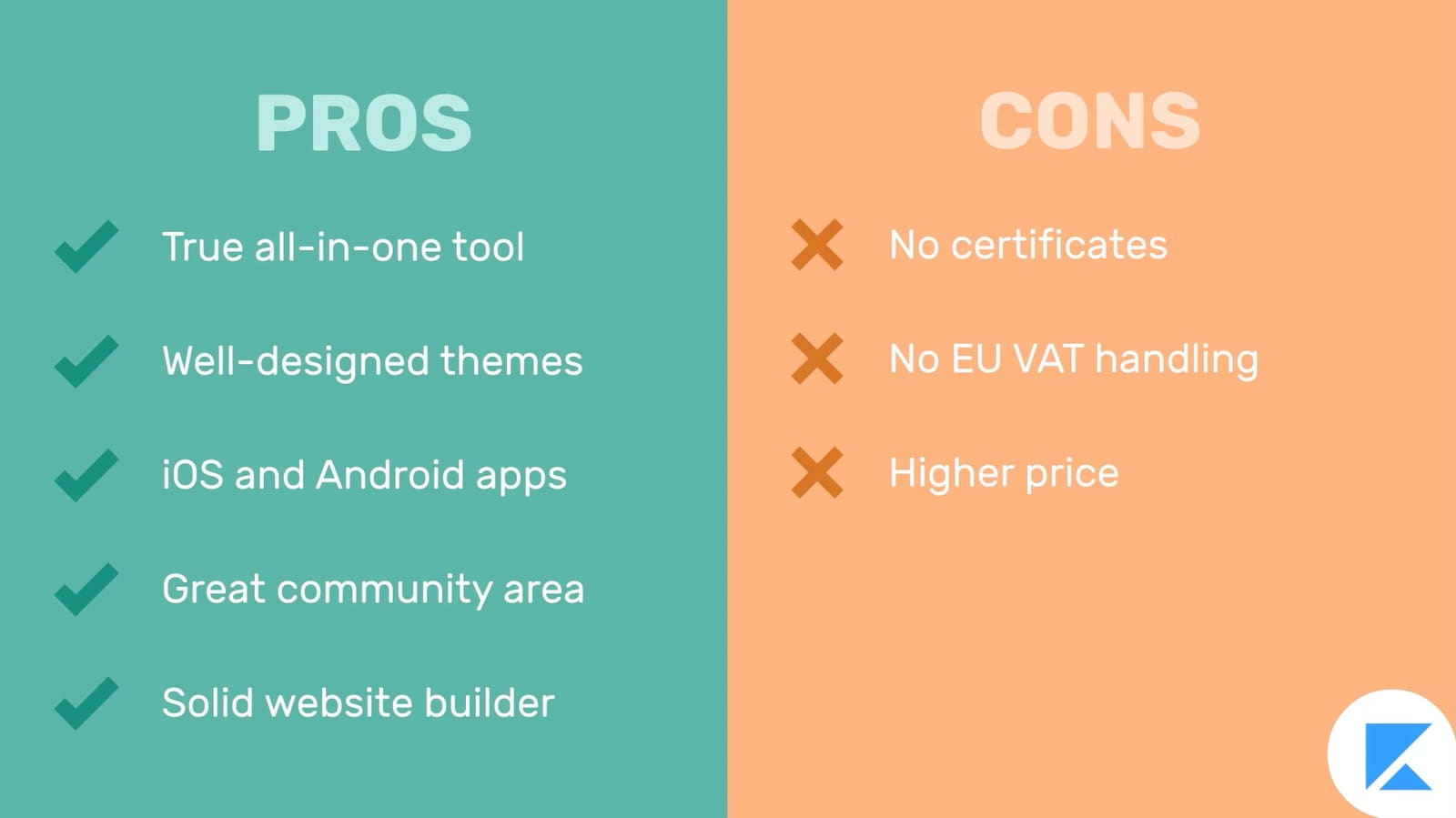
What are the best platforms for managing your online courses? In this review, 4 industry-leading platforms are compared. Get an overview to make your own decision.
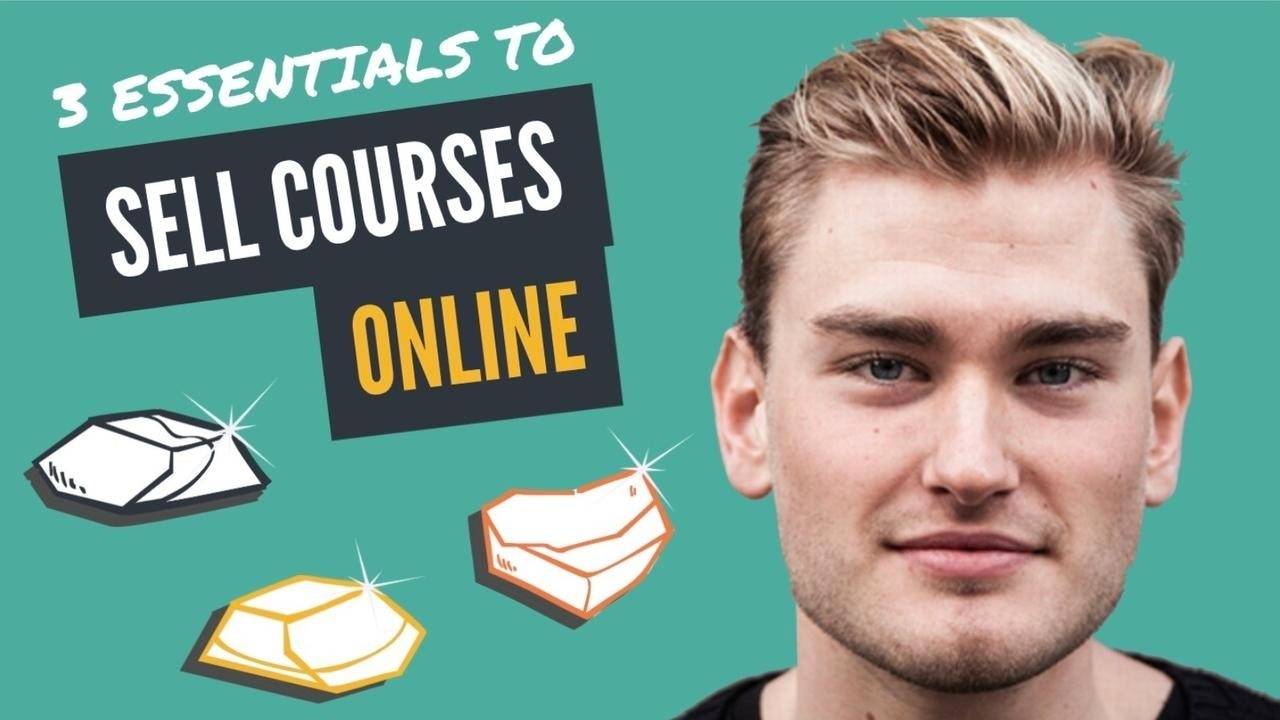
There are 3 crucial cornerstones in selling courses online; content, platform and marketing. In this video, you get an overview of the 3 and tips on how to win at each one.

These are 3 alternatives to heavy course platforms. If you don't choose a simple course platform to start with, the risk is tech will drag you down. Inform yourself about more fitting solutions to where you are with your online course business.
Start here if you are deciding where to host your courses. One post compares the four big all-in-one platforms, the other covers lighter options for when you are just starting out.
Longer walkthroughs of single platforms, with the pros and cons I found: Kajabi, LearnWorlds and Esmerise.



How to turn a course into income: the three cornerstones, how well-known online teachers run their businesses, and ways to monetize a blog.


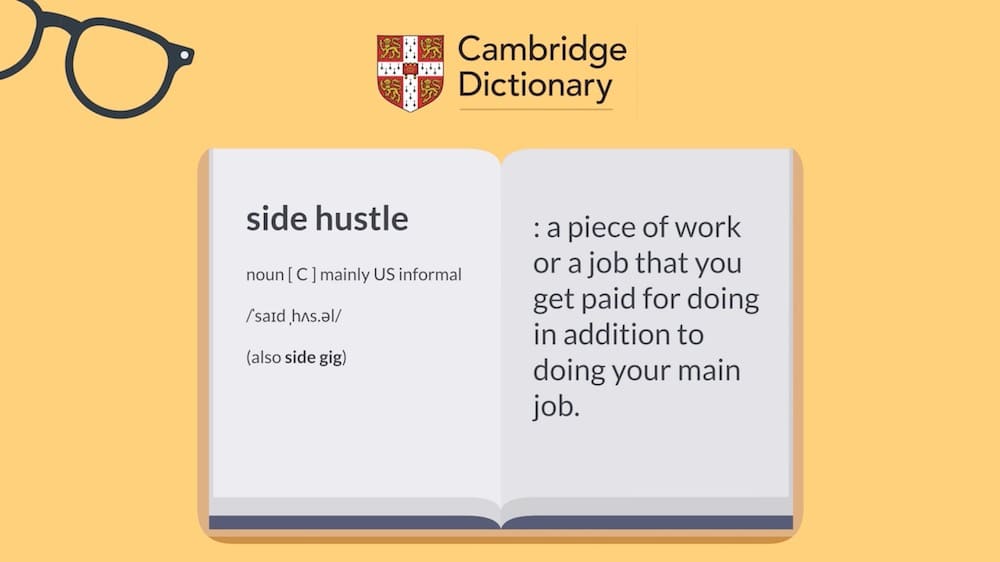
The bigger picture: side hustles, content creation as a career, an honest look at selling information, and what research says makes a teacher effective.

Course archive
These courses are closed to new students. The pages show what each one covered.
FAQ
Sign up for a solid course platform, upload your video lessons and sort them into chapters, build landing pages, set up payments with something like Stripe or PayPal, and start marketing. Set up as much automation as you can, such as welcome emails, so you can spend your time on content.
In my video review I compared Kajabi, Podia, Teachable and Thinkific, and I picked Kajabi for its all-in-one setup and interface. It is also the pricier option and lacks student certificates, so Podia and Teachable are worth a look if you only need course hosting.
Not necessarily. All you really need is a storefront, a way to get paid and somewhere to host the course. Lightweight tools like Gumroad, Skool and Pensight cover that, though Skool needs outside video hosting and sells memberships rather than single courses.
I think of it as three cornerstones: content that is concrete and well produced, a platform you can trust, and marketing. For marketing, I recommend evergreen videos, being authentic and using video to promote a video course.
It is possible, but slow. I went full time as a course creator and YouTuber, and my first $10,000 month came after years of work. Most of the people I admire run simple businesses and show up consistently, year after year.
The main ones are one-directional communication, no way to adjust to the student along the way, and the discipline it takes to learn alone. Practical exercises, variation in format and a sense of community make online classes more effective.
Guide
A practical guide to video production for educators and trainers: script first, then voice-over, then visuals. Posts and the course archive in one place.
Guide
A practical guide to animation video from an animator of 10+ years: how to get ideas, which tools to try, and how to earn a living as a freelancer or agency.
Vyond guide
Everything I know about Vyond after 10+ years: tutorials, masking, motion paths, tool comparisons and how to make instructional and e-learning videos.